
Hydro cooling Mining Hardware for Sale
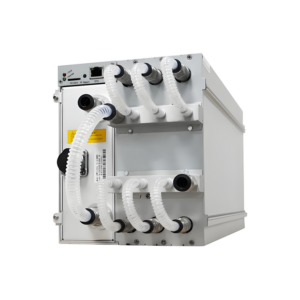
Hydro-cooled miners run coolant through cold plates mounted directly on the hashboards, which lets the chips run cooler, clock higher, and push significantly more hashrate per unit than air-cooled versions of the same silicon. The trade-off: you need plumbing, a CDU or dry cooler, and a three-phase power feed. The payoff is worth it at scale, which is why container farms and dedicated mining halls have largely moved to hydro for new builds.
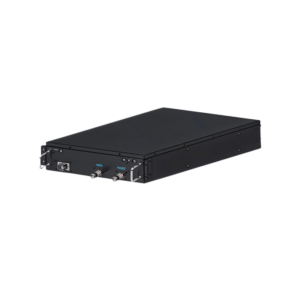
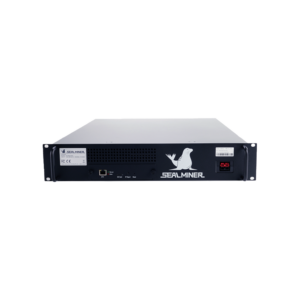
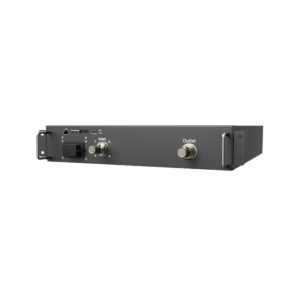
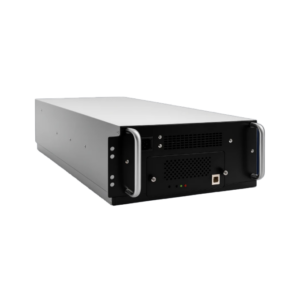
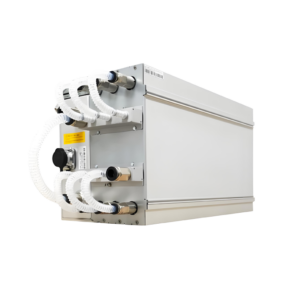
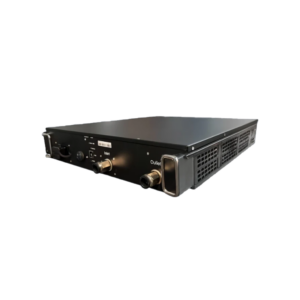
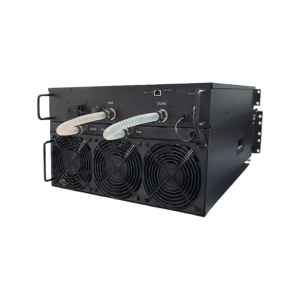
Current hydro flagships: Bitmain Antminer S21 XP Hyd (473 TH/s at 5,676W, 12 J/TH) and S21 Pro Hyd for SHA-256; MicroBT Whatsminer M63S Hydro and M66S Hydro in similar performance tiers; Antminer L9 Hyd for Scrypt merge mining; and Antminer S21 Hyd for facilities stepping into liquid cooling without going top-tier. All these run on 380-415V three-phase input and produce roughly 50 dB of noise, dramatically quieter than the 80 dB of air-cooled equivalents. Infrastructure planning is what separates successful hydro deployments from expensive mistakes. You need a CDU (coolant distribution unit) or dry cooler sized to total thermal load, manifolds with quick-disconnect fittings, reservoirs, filters, and leak detection. Coolant is typically treated water or water-glycol, monitored for conductivity and topped off as needed. Pump redundancy matters: a single failure without failover can damage an entire rack.
The upside beyond hashrate and noise: hydro miners recover most of their waste heat into the coolant loop at 50-65°C, which is ideal for district heating, greenhouse warming, fish farms, and industrial hot-water applications. Several operators now offset electricity costs by selling heat. BT-MINERS supplies hydro-ready Antminer and Whatsminer units with factory warranty, and can advise on CDU pairing, manifold sizing, and full hydro-loop builds. Ask us about turnkey container deployments.
FAQs
-
How does hydro cooling work on an ASIC miner?
Coolant flows through cold plates bonded to the hashboards, then to a CDU or dry cooler where the heat is rejected. The chips run cooler than air-cooled, which allows higher clock speeds and tighter hashrate density.
-
Are hydro miners quieter than air-cooled?
Much quieter. Hydro units run roughly 50 dB versus 75-85 dB for air-cooled equivalents because the internal fans are mostly eliminated.
-
What infrastructure do I need for hydro?
A CDU or dry cooler sized to total heat load, manifolds, quick-disconnect fittings, pumps (with redundancy), filters, leak detection, and three-phase 380-415V power.
-
Can I use tap water as coolant?
No. Use treated or deionized water, often with corrosion inhibitors, or a water-glycol blend for freeze protection. Minerals in tap water cause scale and component damage.
-
What hashrate can hydro miners reach?
The Antminer S21 XP Hyd hits 473 TH/s per unit. Whatsminer M66S Hydro reaches similar tiers. That’s roughly 75% more hashrate per chassis than a top air-cooled unit.
-
Can waste heat be reused?
Yes. Coolant exits at 50-65°C, ideal for space heating, greenhouses, aquaculture, and hot water. Some operators offset electricity costs meaningfully by selling heat.
-
Are hydro miners more expensive overall?
Higher upfront cost and infrastructure investment, but the per-TH economics at scale typically favor hydro within 12-18 months for container-class deployments.
-
Do hydro miners leak?
Properly installed loops with quick-disconnect fittings and leak detection sensors rarely leak. Minor drips get isolated without draining the system.
-
What brands offer hydro miners?
Bitmain (Antminer S21 XP Hyd, S21 Hyd, L9 Hyd) and MicroBT (Whatsminer M63S Hydro, M66S Hydro) lead. Canaan also offers select hydro variants.
-
Is a CDU included with a hydro miner?
Usually sold separately. Size it to your total thermal load. BT-MINERS can advise on matching and quote turnkey packages.