Ethereum Classic Mining Hardware for Sale
Ethereum Classic (ETC) is the largest proof-of-work coin still using EtHash. After Ethereum's 2022 transition to proof-of-stake, ETC became the primary home for EtHash ASICs and remaining GPU hashrate. Technically ETC uses the Etchash variant, which slows DAG growth to extend ASIC lifespan, but the algorithm remains memory-bound and requires hardware with enough DAG memory to cover the slowly expanding dataset.
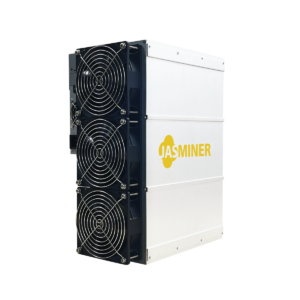
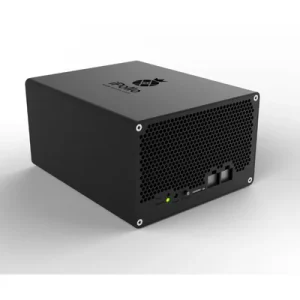
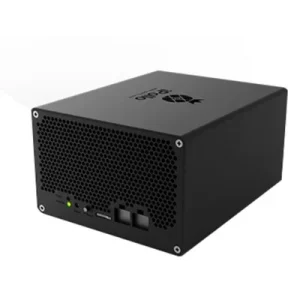
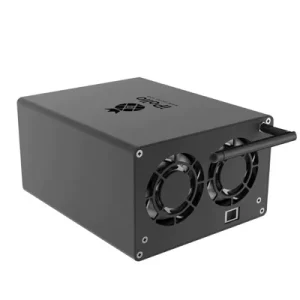
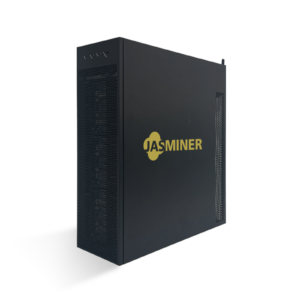
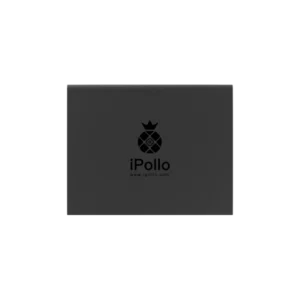
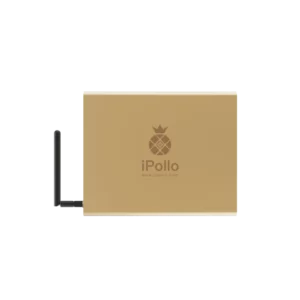
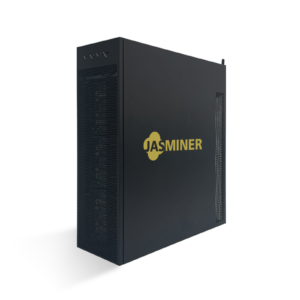
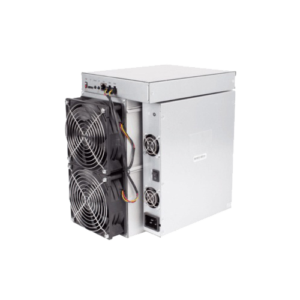
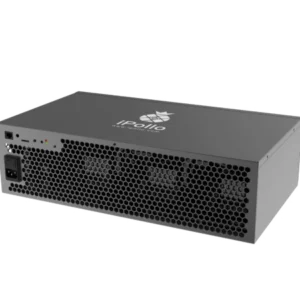
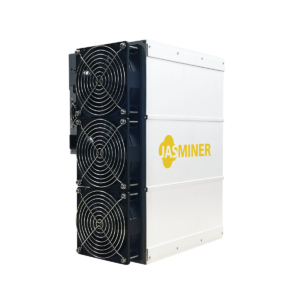
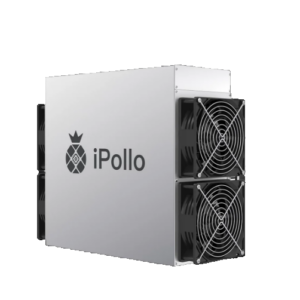
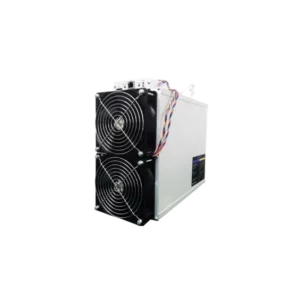
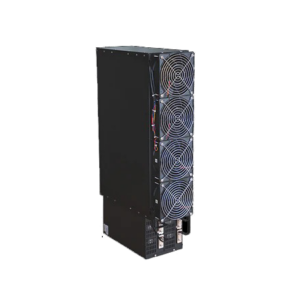
Current EtHash ASICs: Jasminer leads on efficiency with the X44-P (23.4 GH/s at 2,550W, ~0.11 J/MH) and the X16-P (5.8 GH/s at 1,900W). The Bitmain Antminer E9 Pro (3.78 GH/s at 2,200W) remains a solid mid-range option. iPollo's V-series and X-series cover the home segment: V1 Classic at 3.6 GH/s, V1 Mini at 130-300 MH/s, V2 at 10 GH/s, V2X at 1.2 GH/s/165W, and X1 at 300-350 MH/s. Older Innosilicon A10 and A11 boxes still show up used but have been outpaced on efficiency. Before buying older stock, check one thing first: DAG memory. Cheaper EtHash hardware can become unmineable once the ETC DAG outgrows installed memory, so 12 GB or more is the safe floor for multi-year planning. Power draw ranges from 120W on the iPollo V1 Mini to 2,550W on the Jasminer X44-P, all running on 220V. Noise spans 40-80 dB.
Pool choice is straightforward: Ethermine ETC, 2Miners, F2Pool, and Hiveon all run ETC pools with solid uptime. For wallets, MetaMask configured for the ETC network, Ledger, or Trezor work fine. Do not send ETC to an ETH-only address. BT-MINERS stocks Jasminer, Bitmain, and iPollo EtHash hardware with warranty and tested units. Ask us about current DAG compatibility before committing to older stock.
FAQs
-
Why mine ETC instead of ETH?
Ethereum moved to proof-of-stake in 2022 and no longer has block rewards for miners. Ethereum Classic kept proof-of-work and remains the largest EtHash coin.
-
Which EtHash ASIC is the most efficient?
The Jasminer X44-P leads at about 0.11 J/MH and 23.4 GH/s. The X16-P and Antminer E9 Pro are older but still competitive at lower price points.
-
What's the DAG and why does it matter?
EtHash uses a memory dataset called the DAG that grows slowly over time. Miners with too little on-board memory stop working once the DAG outgrows their capacity. 12 GB or more is the safe floor.
-
Can a GPU still mine ETC?
Technically yes, but not profitably. EtHash ASICs deliver 10-50x the hashrate per watt of high-end GPUs.
-
How much power does an ETC miner draw?
Home units like the iPollo V1 Mini draw 120-250W. Mid-range Jasminer X16-P draws 1,900W. The flagship X44-P draws 2,550W.
-
Which pools support ETC mining?
Ethermine ETC, 2Miners, F2Pool, and Hiveon are the main options. Compare fees, payout thresholds, and server locations close to you.
-
What wallet do I need for ETC?
Any ETC-compatible wallet. MetaMask with the ETC network added, Ledger, Trezor, or a trusted exchange wallet all work. Don’t send ETC to an ETH-only address.
-
Is ETC mining profitable?
Profitability tracks ETC price, network difficulty, and your electricity rate. The Jasminer X44-P is typically profitable at US$0.06-0.08/kWh. Run a live Etchash calculator before buying.
-
Are iPollo miners still worth buying?
For home miners, yes. The V2X and V1 Mini offer very low power draw and quiet operation. For farm scale, Jasminer X44-P is the better buy.
-
Does BT-MINERS ship ETC miners worldwide?
Yes. EtHash hardware ships globally via DHL, UPS, FedEx, and TNT with tracked delivery.