
MicroBT Whatsminer Mining Hardware for Sale
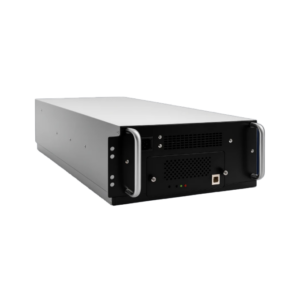
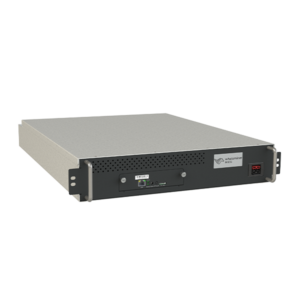
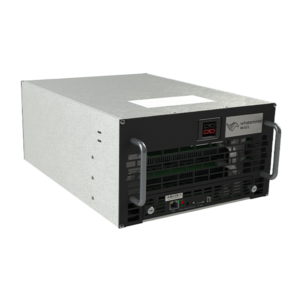
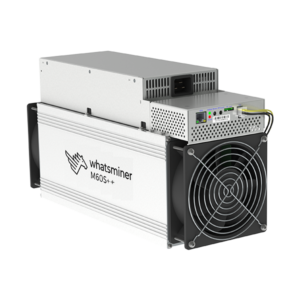
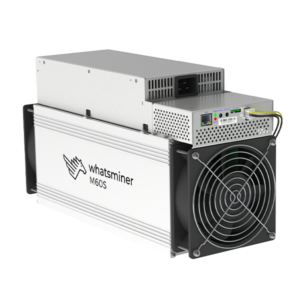
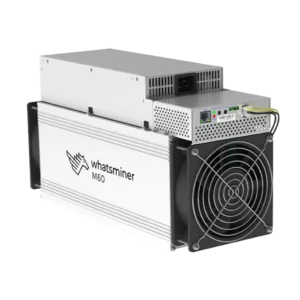
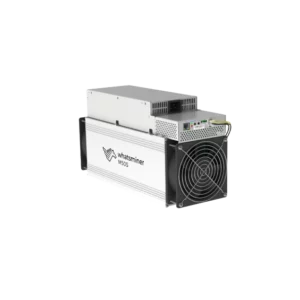
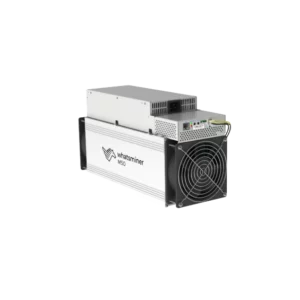
MicroBT is best known for its WhatsMiner product line, which has earned a strong reputation among professional miners for delivering consistent performance in large-scale and high-load environments. Rather than targeting experimental or niche mining segments, MicroBT has focused its engineering efforts on building ASIC miners designed for industrial deployment, long operational lifecycles, and predictable behavior under sustained workloads.
WhatsMiner devices are commonly deployed in mining farms and dedicated facilities where uptime, power stability, and thermal control are critical to daily operations. These environments place different demands on hardware compared to small or mixed-use setups, making durability, firmware maturity, and repeatable performance more important than aggressive design changes or rapid product refresh cycles.
This collection is intended for miners evaluating MicroBT WhatsMiner hardware from an infrastructure-first perspective. Factors such as power density, cooling compatibility with existing ventilation systems, and consistency across multiple units often play a central role in hardware selection. WhatsMiner models are frequently chosen for their ability to operate reliably within tightly managed power and temperature ranges over extended periods.
Rather than presenting WhatsMiner hardware as a short-term efficiency play, this page focuses on how different models fit into long-term mining operations. Some miners prioritize newer generations for improved efficiency, while others deploy proven models where power pricing and facility design favor stability over incremental gains.
The BT-MINERS team curates this MicroBT WhatsMiner collection to support miners who are building, expanding, or maintaining professional-grade mining infrastructure. Our goal is to help operators understand how WhatsMiner hardware fits into real-world mining environments, enabling informed decisions that balance performance, reliability, and long-term operational control.
FAQs
-
Does BT-MINERS ship Whatsminer worldwide?
Yes. BT-MINERS ships MicroBT Whatsminer products internationally with tracked shipping and customs documentation support.
-
Are Whatsminer products covered by warranty?
Yes. BT-MINERS sells MicroBT Whatsminer hardware with manufacturer-backed warranty. Details appear on each product listing.
-
Do Whatsminer units include a PSU?
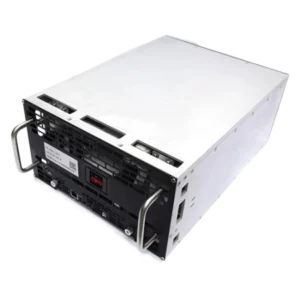
Most air-cooled Whatsminer models include an integrated PSU. Hydro models often use a separate matched PSU. Confirm on the product page.
-
Are Whatsminer miners noisy?
Air-cooled industrial units typically produce 75 to 85 decibels. Hydro variants are far quieter and suit noise-sensitive environments.
-
How do I manage a Whatsminer fleet?
Use the Whatsminer Tool or third-party platforms like Foreman, Awesome Miner, or Hive OS for remote management at scale.
-
Does Whatsminer offer hydro and immersion versions?
Yes. MicroBT produces hydro-cooled Whatsminer variants and supports immersion deployments with compatible firmware configurations.
-
How much power does a Whatsminer draw?
Modern Whatsminer units typically draw between 3,000W and 5,500W depending on hashrate and model.
-
Are Whatsminer miners reliable?
Yes. MicroBT is known for long-term reliability and steady performance, backed by strong manufacturer warranty coverage.
-
Which Whatsminer model is best?
The Whatsminer M60 and M65 series are current flagship models. Older generations such as the M30S and M50S remain popular for cost-conscious buyers.
-
What is MicroBT Whatsminer?
MicroBT is a leading ASIC manufacturer whose Whatsminer M-series is a top-tier Bitcoin SHA-256 mining product line used globally.